Circuit Check Procedure
- Ensure all ABS connectors are clean and tight. Repair as needed. Connect Tech 1 scan tool to Data Link Connector (DLC) under instrument panel, below steering column. Turn ignition on. Select DATA LIST mode. If data is being sent to EBCM, go to step 5
. If data is not being sent to EBCM, go to next step.
- Turn ignition switch to LOCK position. Disconnect EBCM 8-pin and 24-pin harness connectors. Turn ignition on. Using DVOM, measure voltage between ground and EBCM 24-pin harness connector terminals No. 9 and 24. See Fig 1
. If voltage is 10 volts or less, repair circuit(s) for open or short to ground. If voltage is greater than 10 volts, go to next step.
- Turn ignition switch to LOCK position. Measure resistance between ground and EBCM 8-pin harness connector terminal No. 8. If resistance is less than 5 ohms, go to next step. If resistance is 5 ohms or more, repair open circuit.
- Check continuity of Purple wire between EBCM 24-pin harness connector terminal No. 1 and DLC terminal No. 9 (serial data line). See Fig 2
. Continuity should exist. Check continuity of Purple wire between ground and EBCM 24-pin harness connector terminal No. 1. Continuity should not exist. If circuit is as specified, replace EBCM. If circuit is not as specified, repair circuit for open or short as needed.
- If any DTCs are displayed, go to applicable DTC test under DIAGNOSTIC TESTS
. If no DTCs are displayed, turn ignition switch to LOCK position for 10 seconds. Turn ignition on and monitor "ABS" warning light. If warning light illuminates for 3 seconds and goes off, go to next step. If warning light does not work as specified, go to step 7
.
- Check for history DTCs under CODE HISTORY function. If history DTCs are present, review enhanced diagnostic information under CODE HISTORY for specific conditions when malfunction occurred. Attempt to repeat failure and repair. See applicable DTC for component or circuit that may contribute to malfunction. Repair as needed. If no history DTCs are present, ABS system is operational. If original complaint was poor ABS system performance, perform automated hydraulic function test. See HYDRAULIC CONTROL TEST
under COMPONENT TESTS.
- Monitor ABS warning light. If warning light illuminates and remains on, go to SYMPTOM CHART A: ABS WARNING LIGHT ON CONSTANTLY, NO DTCS STORED
under TROUBLE SHOOTING. If warning light does not illuminate during procedure, go to SYMPTOM CHART C: ABS WARNING LIGHT OFF CONSTANTLY, NO DTCS STORED
under TROUBLE SHOOTING. If warning light illuminates intermittently, go to SYMPTOM CHART B: ABS WARNING LIGHT ON INTERMITTENTLY, NO DTCS STORED
under TROUBLE SHOOTING.
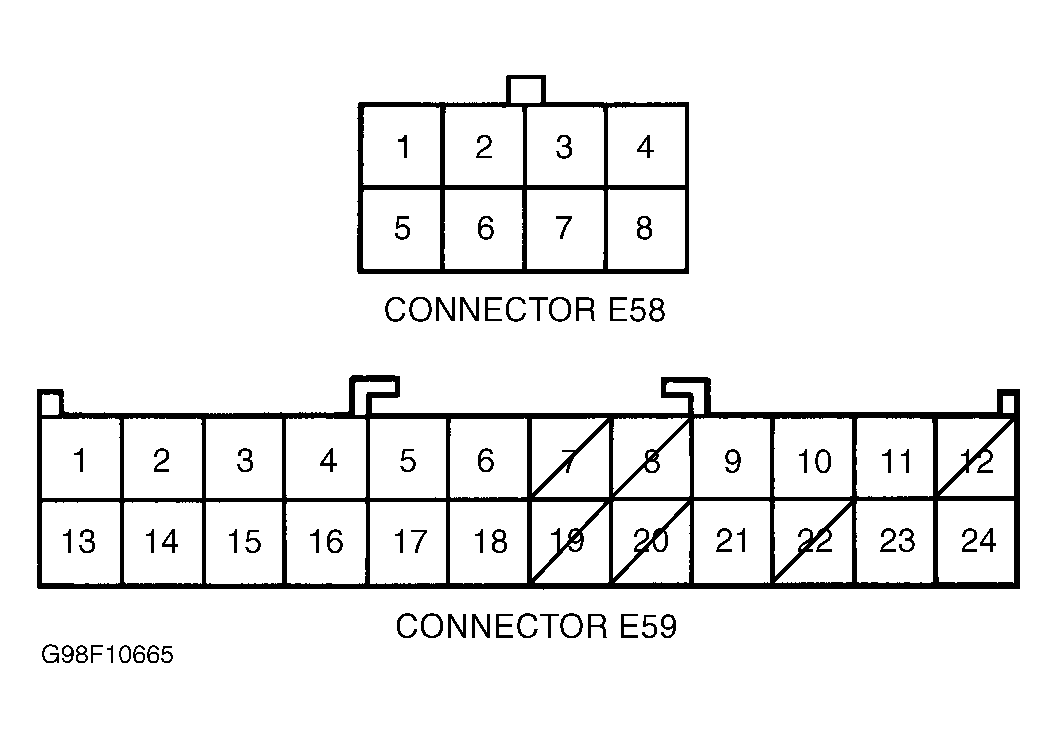 Courtesy of SUZUKI OF AMERICA CORP.
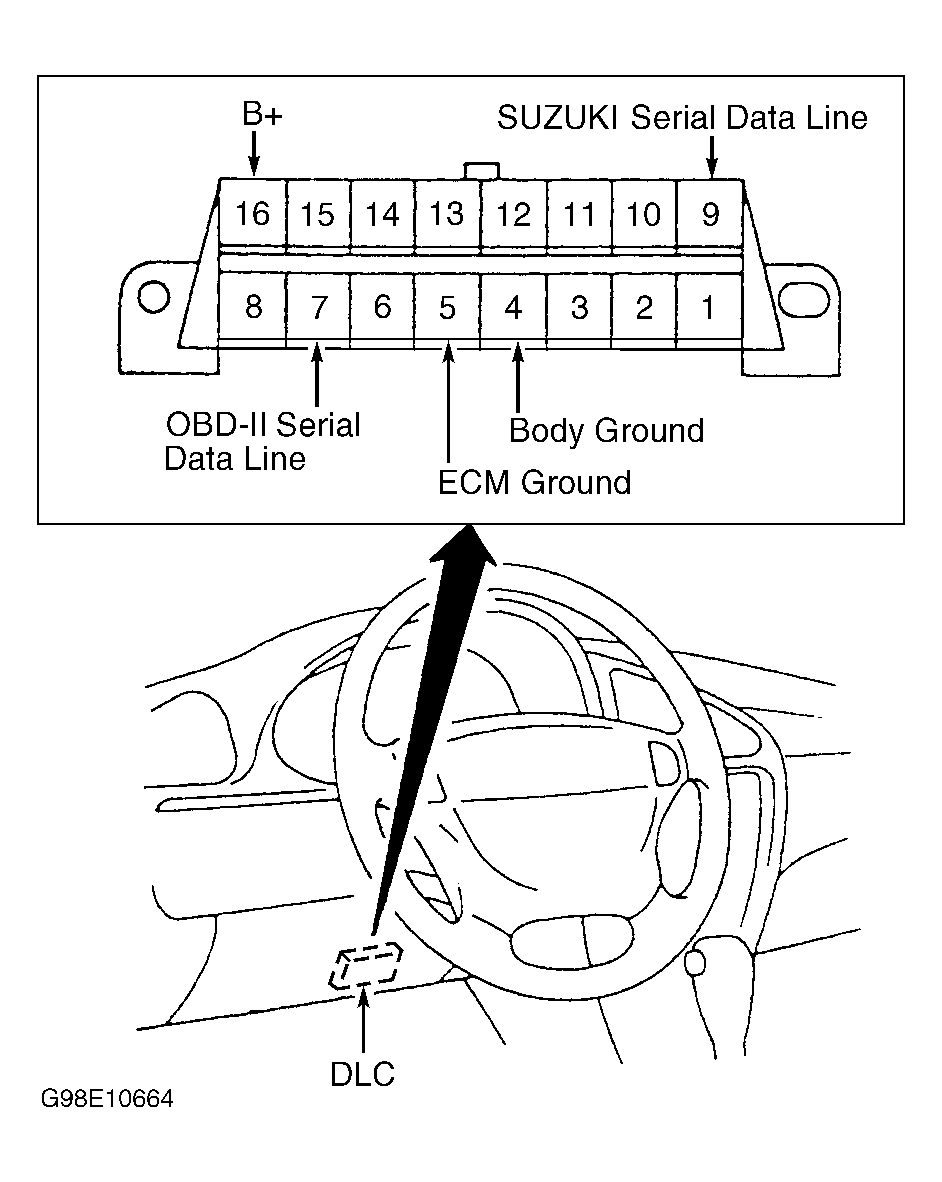 Courtesy of SUZUKI OF AMERICA CORP.