Fuel Pressure Test
- Ensure engine is off. Ensure battery voltage is at least 12 volts. Release fuel pressure, see FUEL SYSTEM PRESSURE RELEASE
.
- Place a clean shop rag around fuel line test fitting and slowly loosen fitting. Connect Fuel Gauge (VAG 1318) with Hose (VAG 1318/1) or equivalent to test connection on fuel rail. See Fig 1
. Fuel gauge valve must be closed, handle 90 degrees to direction of flow (arrow).
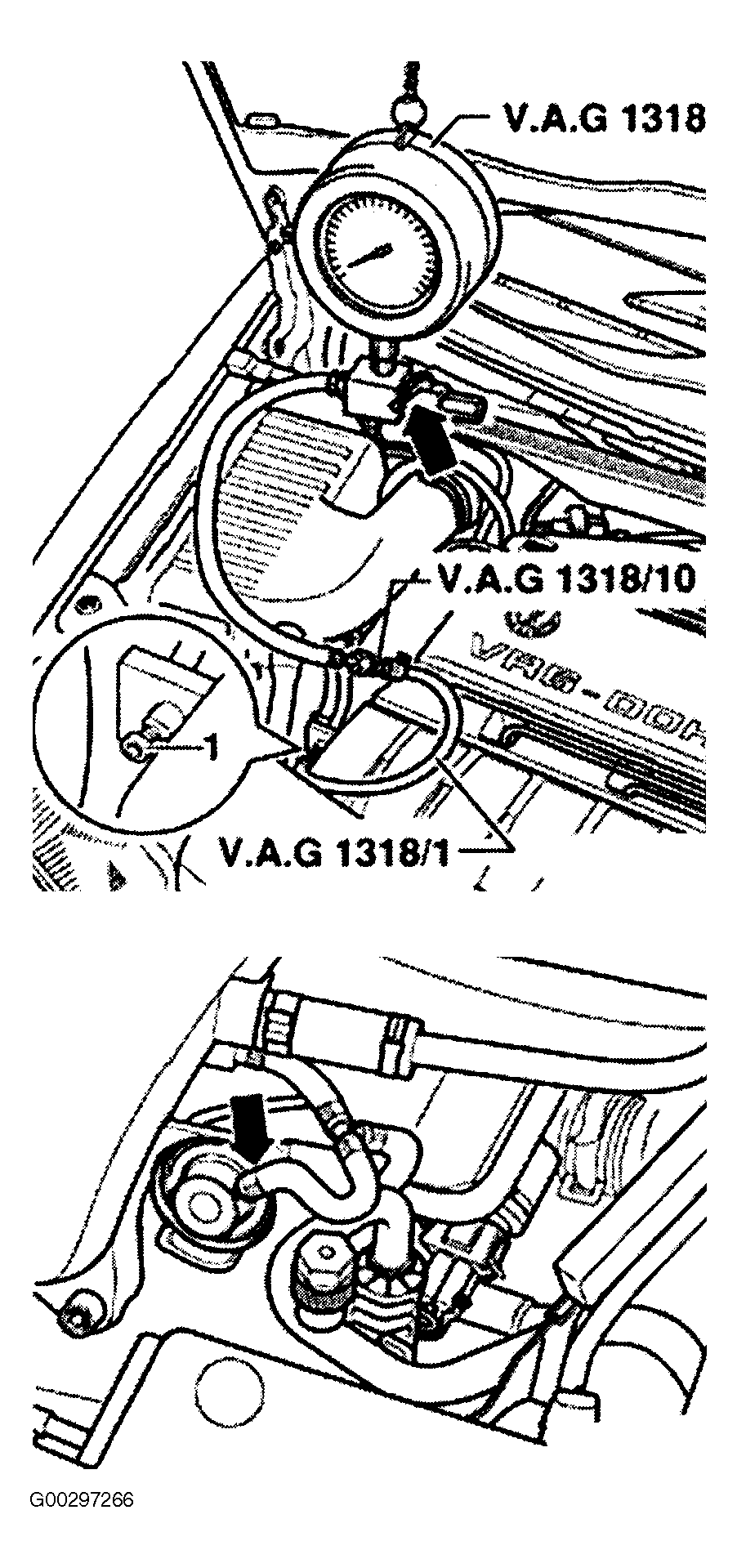 Courtesy of VOLKSWAGEN UNITED STATES, INC.
- Install fuse or fuel pump relay. Start and run engine at idle speed. Compare fuel pressure on gauge to fuel pressure specifications. See FUEL PRESSURE SPECIFICATIONS (2.8L VR6)
table.
- Disconnect vacuum hose from fuel pressure regulator. See Fig 1
. Fuel pressure must rise as specified. See FUEL PRESSURE SPECIFICATIONS (2.8L VR6)
table. Turn ignition off.
- Check for leaks and residual pressure by watching pressure drop on gauge. After 10 minutes residual pressure must be as specified. See FUEL PRESSURE SPECIFICATIONS (2.8L VR6)
table.
- If pressure drops below specification, start and run engine at idle speed. After the pressure has built up, turn ignition off, and at the same time clamp-off return line (line with blue arrow) on fuel rail. Again watch fuel pressure drop.
- If the pressure does not drop, replace fuel pressure regulator. If the pressure drops again, check fuel pump check valve. See FUEL SYSTEM in appropriate SYSTEM & COMPONENT TESTING article.
FUEL PRESSURE SPECIFICATIONS (2.8L VR6)
| Function |
psi (bar) |
| System Pressure |
| With Engine Idling |
36 (2.5) |
| With Engine Idling |
43 (3) |
| Residual Pressure |
29 (2) |