Engine Oil Pressure: Testing and Inspection
Oil Pressure CheckNOTE:
Prior to checking oil pressure, check the following.
^ Oil level in oil pan
If oil level is too low, add oil up to full level mark on oil level gauge.
^ Oil quality
If oil is discolored or deteriorated, change it.
^ Oil leaks
If leak is found, repair it.
1) For 5 M/T model, place gear shift lever in "Neutral" and apply parking brake.
For 4 A/T model, place select lever in "P" and apply parking brake.
2) Disconnect OCV connector.
3) Remove engine cover.
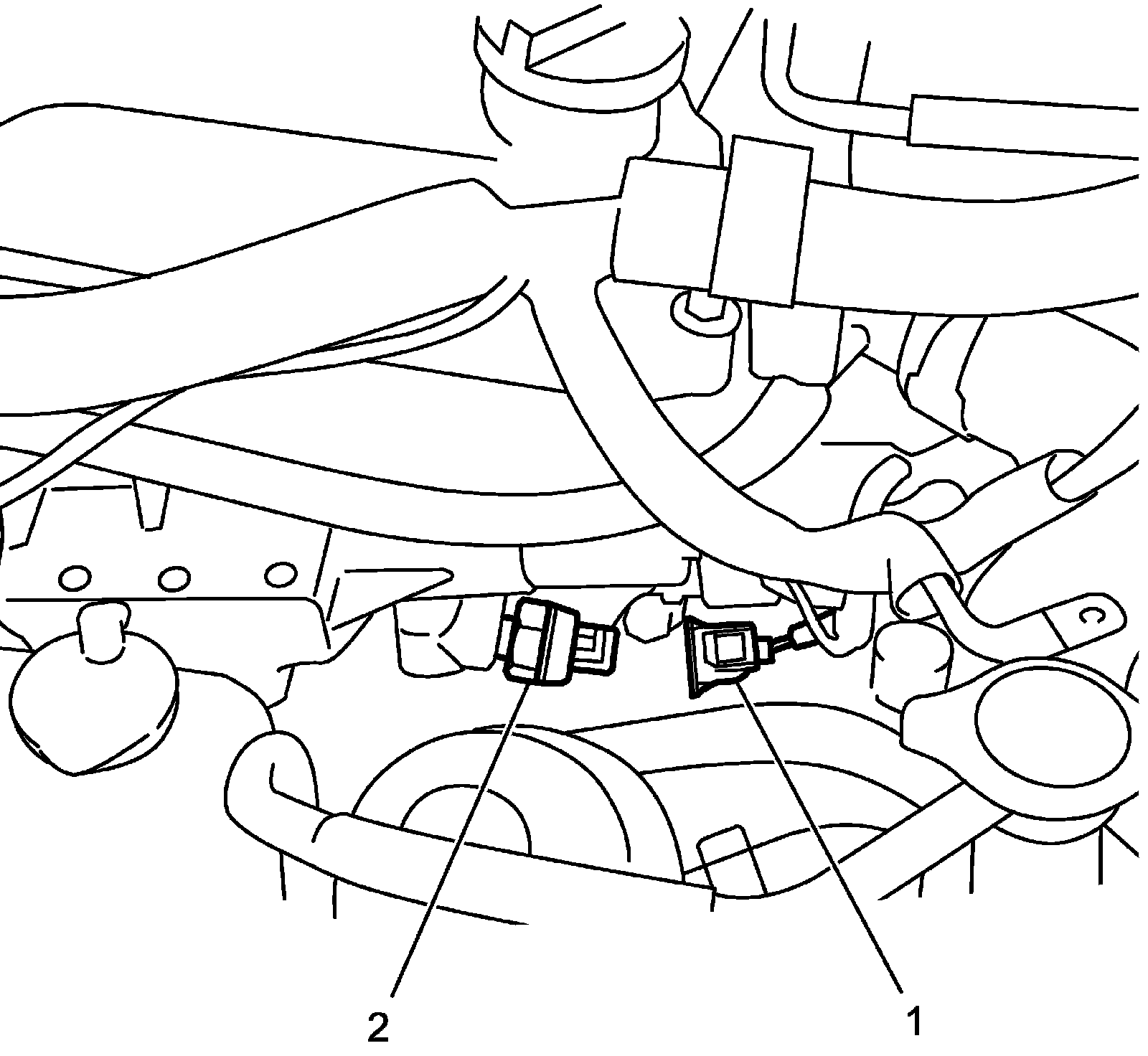
4) Disconnect oil pressure switch connector (1).
5) Remove oil pressure switch (2) from cylinder block.
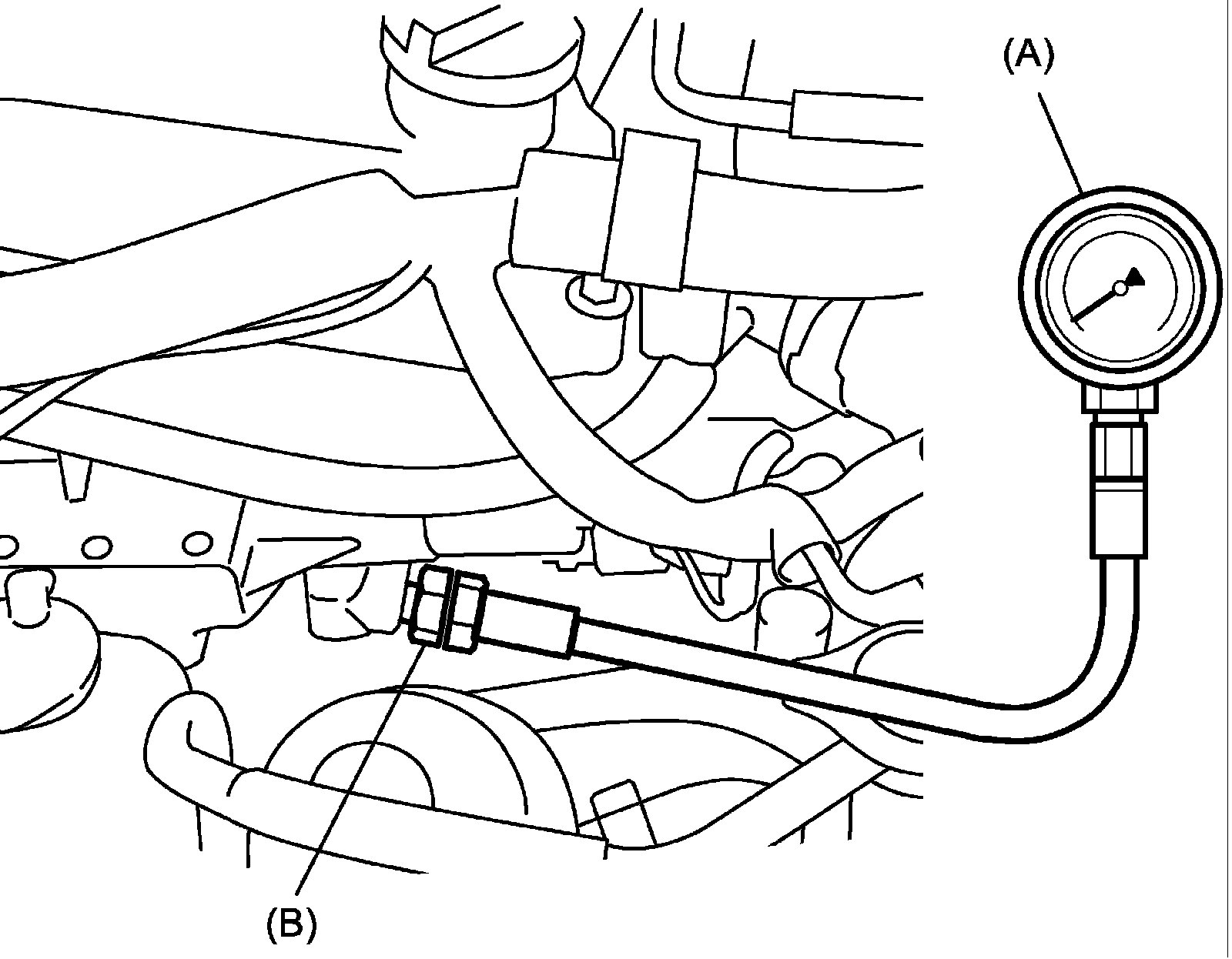
6) Install special tools to threaded hole where oil pressure switch was removed.
Special Tool
(A): 09915-77311
(B): 09915-78211
7) Start engine and warm engine up to normal operating temperature.
8) After warming up, raise engine speed to 4,000 rpm and measure oil pressure.
Oil pressure specification
More than 300 - 500 kPa (3.1 - 5.1 kgf/cm2, 43.5 - 72.5 psi) at 4,000 rpm.
9) After checking oil pressure, stop engine and remove special tools.
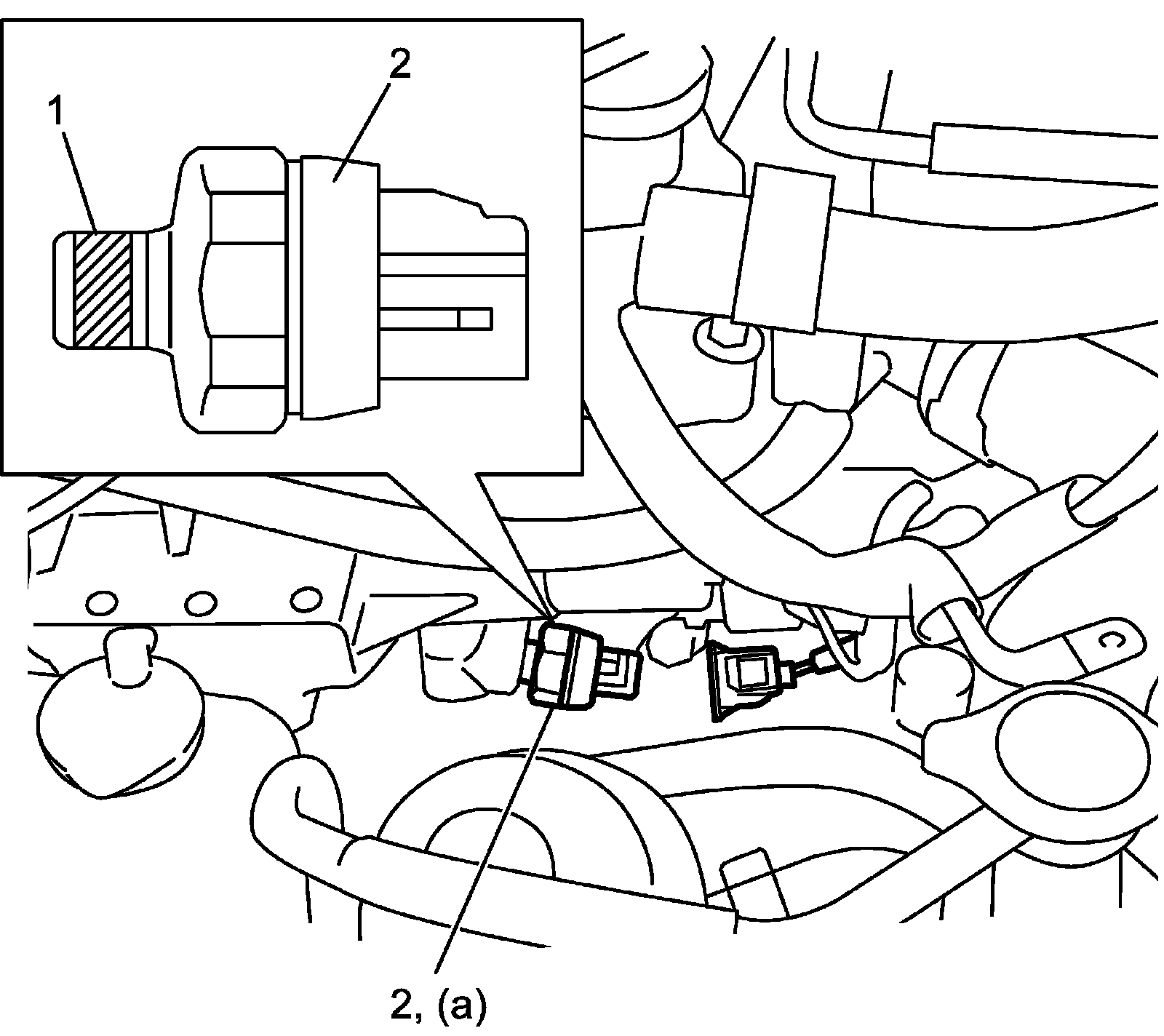
10) Before reinstalling oil pressure switch (2), be sure to wrap its screw threads with sealing tape (1) and tighten switch to specified torque.
NOTE:
If sealing tape edge extends screw threads of switch, cut it off to thread's width.
Tightening torque
Oil pressure switch (a): 13 Nm (1.3 kg-m, 9.5 ft. lbs.)
11) Connect oil pressure switch lead wire (1).
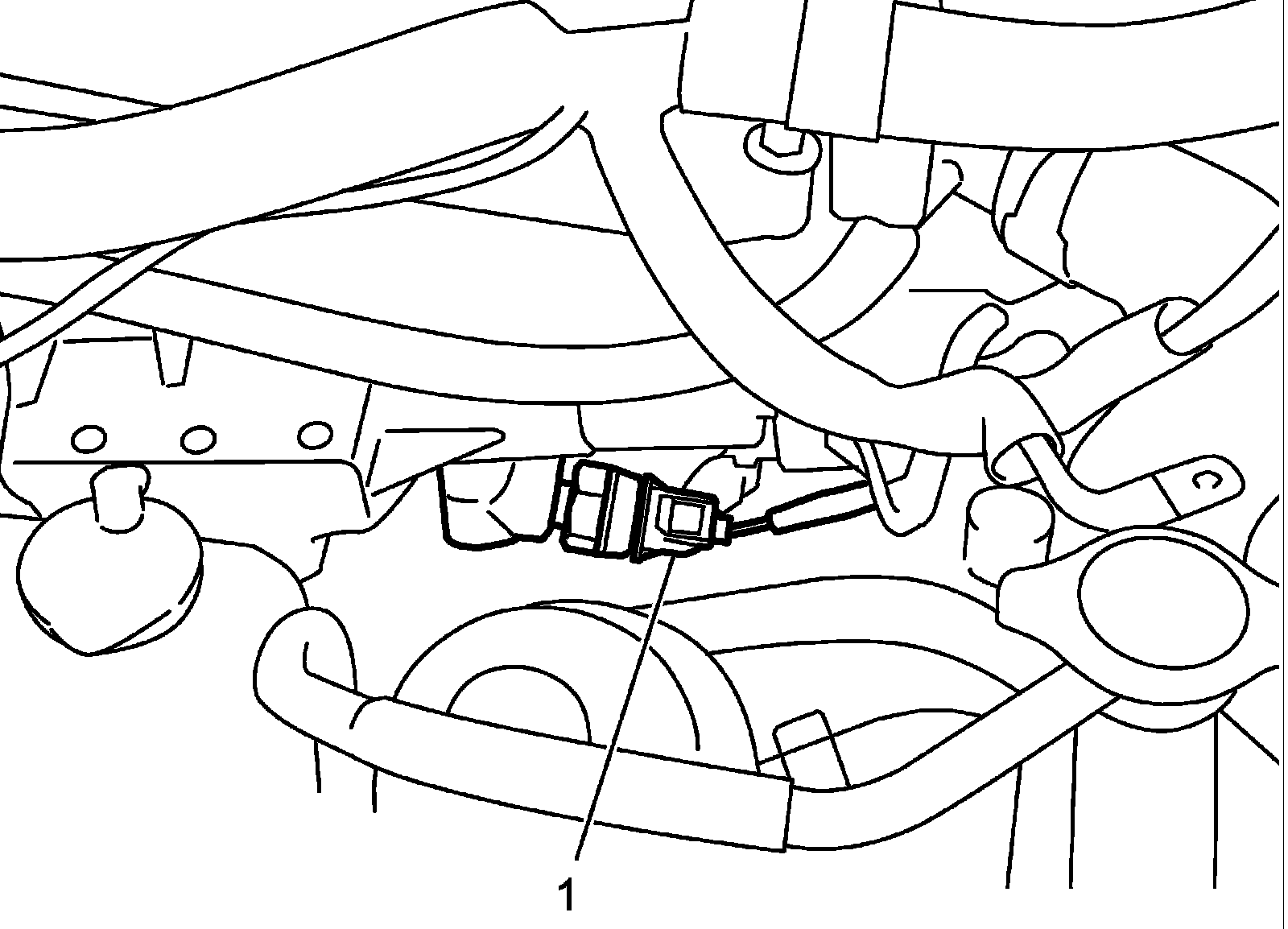
12) Start engine and check oil pressure switch for oil leakage. If oil leakage is found, repair it.
13) Check DTC.