Alignment: Description and Operation
WHEEL ALIGNMENT ANGLESCaster and camber are adjusted by means of eccentric cams on the upper control arm mounting bolts. Toe is adjusted by the use of the front wheel spindle tie-rod.
Negative and Positive Camber:
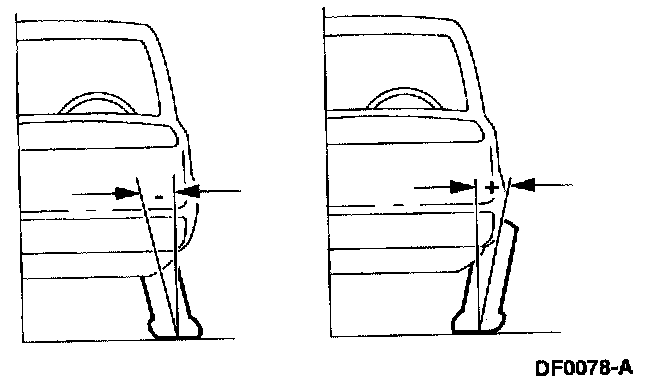
Camber
Camber is the vertical tilt of the wheel when viewed from the front. Camber can be positive or negative and has a direct effect on tire wear.
Caster And Frame Angle:
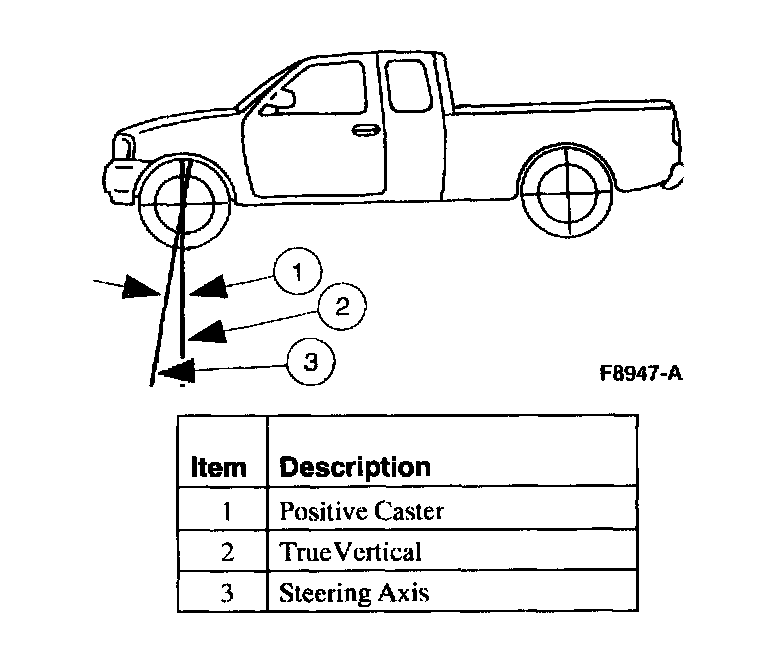
Caster
Caster is the deviation from vertical of an imaginary line drawn through the ball joints when viewed from the side. The caster specifications will give the vehicle the best directional stability characteristics when loaded and driven. The caster setting is not related to tire wear.
Positive Toe (Toe In):
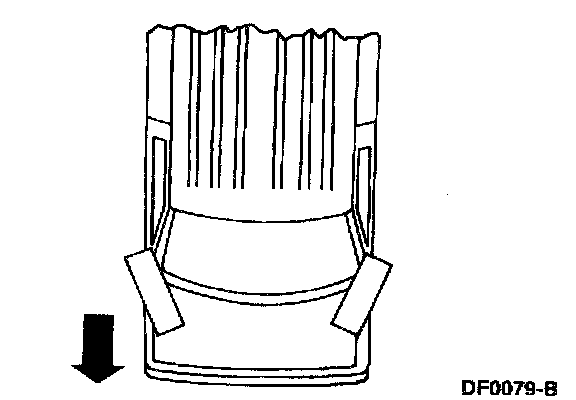
Negative Toe (Toe Out):
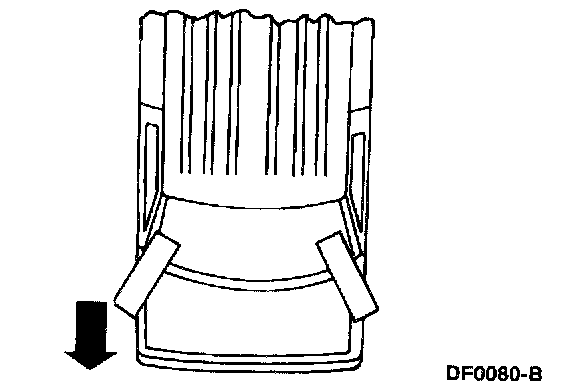
Toe
The vehicle toe setting:
- affects tire wear and directional stability.
- must be checked after adding aftermarket equipment, such as a snowplow or body.
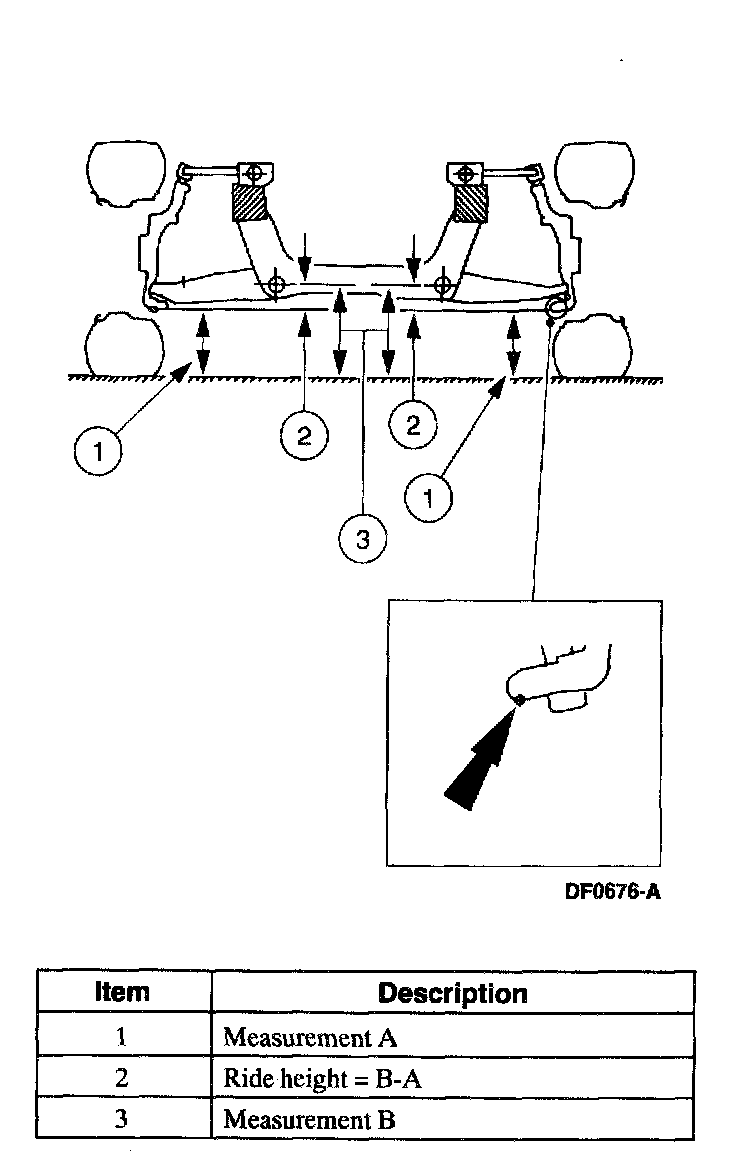
Front Ride Height Measurement
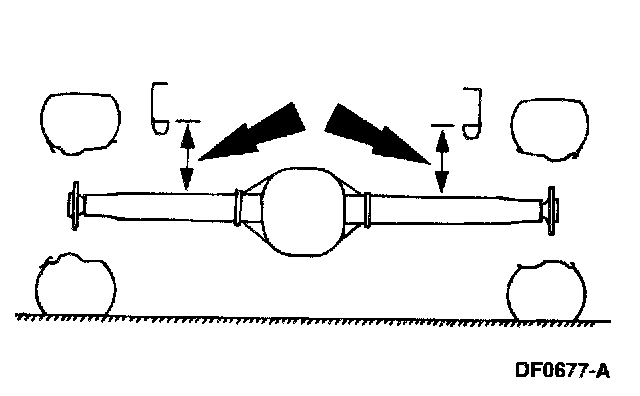
Rear Ride Height Measurement - 4X2
Rear Ride Height Measurement - 4X4:
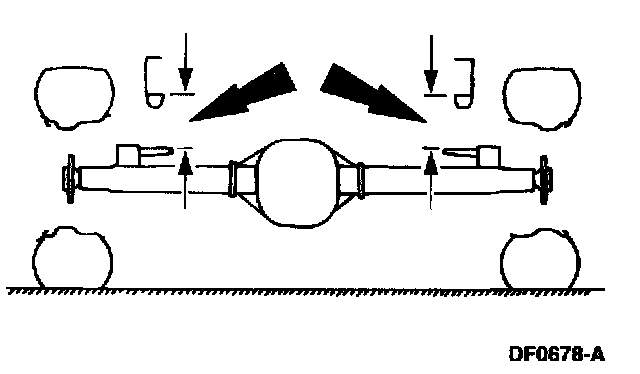
Rear Ride Height Measurement - 4X4